

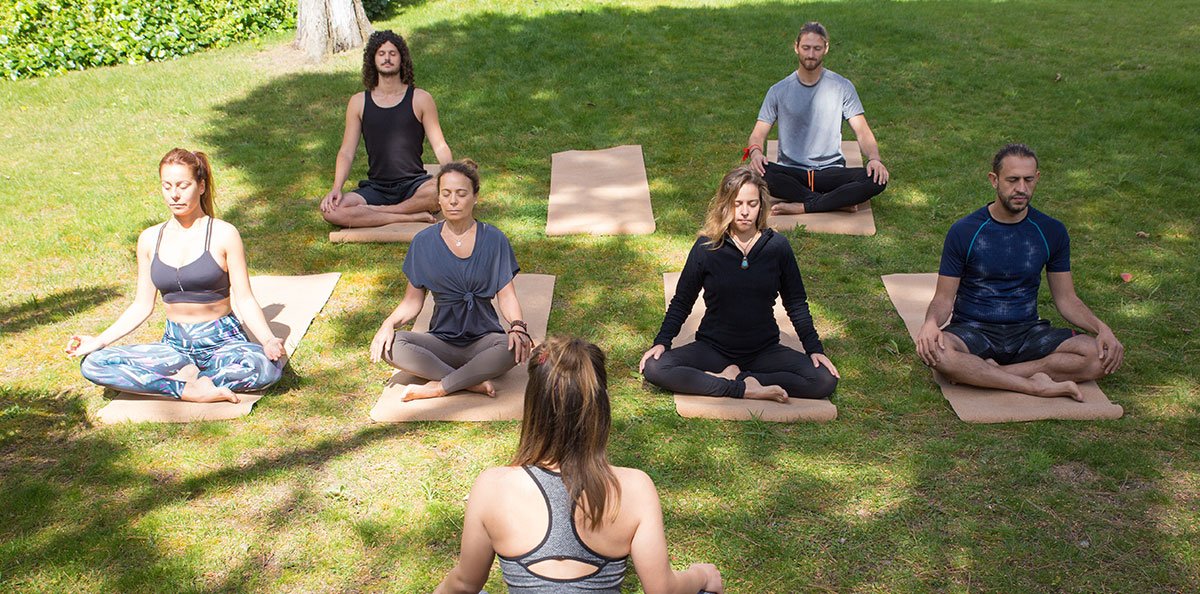
Weight management is often approached only through dieting and intense workouts. However, maintaining a healthy body weight involves several factors, including physical activity, eating habits, sleep, stress management, and long-term lifestyle choices.
Yoga can be a valuable part of this broader approach. While yoga should not be viewed as a quick solution for weight loss, regular practice can support physical activity, body awareness, mobility, strength, and mindful lifestyle habits.
For people who prefer a sustainable approach to fitness, yoga can provide a practical way to stay active while developing a stronger connection with the body.
Can Yoga Support Weight Management?
Yoga can contribute to weight management by encouraging regular physical activity and helping develop healthier lifestyle habits.
Different styles of yoga provide different levels of physical intensity. Gentle practices focus more on stretching, mobility, breathing, and relaxation, while more dynamic styles can involve continuous movement and greater muscular engagement.
The number of calories burned during yoga depends on factors such as the style, duration, intensity, and individual characteristics.
However, the benefits of yoga extend beyond calorie expenditure.
1. Encourages Regular Physical Activity
One of the most important factors in maintaining a healthy lifestyle is staying physically active.
Yoga provides an accessible form of movement that can be adapted to different fitness levels. Beginners can start with simple postures and gradually progress as their strength and mobility improve.
Because yoga does not require complicated equipment, it can be practised in many environments.
Consistency is often more valuable than occasional intense exercise.
2. Builds Strength and Muscle Engagement
Many yoga postures require you to support your body weight.
Plank, Chair Pose, Warrior poses, Boat Pose, and balancing postures can engage different muscle groups. Regular practice may improve muscular endurance and functional strength.
Developing strength is an important part of a balanced fitness routine because strong muscles support movement and daily activities.
3. Improves Body Awareness
Yoga encourages practitioners to pay attention to physical sensations, breathing, movement, and posture.
This increased awareness can also influence how people approach daily habits.
Instead of eating or moving automatically, mindfulness can encourage you to notice your body’s signals and make more conscious decisions.
Yoga does not prescribe a specific diet, but the practice can encourage a more thoughtful relationship with food and lifestyle choices.
4. Helps Manage Everyday Stress
Stress can influence many aspects of daily life, including sleep, eating patterns, motivation, and energy levels.
Yoga combines physical movement with breathing and relaxation techniques. A regular practice can provide dedicated time to slow down and reconnect with yourself.
Reducing daily stress does not directly guarantee weight loss, but better stress management can support healthier lifestyle routines.
5. Supports Better Sleep Habits
Sleep plays an important role in overall health and wellness.
A consistent yoga and relaxation practice may help create a calming evening routine. Practices such as gentle yoga, breathing exercises, and Yoga Nidra can be incorporated into a broader approach to relaxation.
When people establish healthier sleep routines, they may also find it easier to maintain regular exercise and daily habits.
Yoga Practices That Can Support Fitness
If your goal is to include yoga in a fitness-oriented routine, you can consider postures such as:
- Sun Salutations
- Chair Pose
- Warrior I
- Warrior II
- Plank Pose
- Boat Pose
- Bridge Pose
- Locust Pose
- Tree Pose
These postures can engage different areas of the body while improving strength, balance, mobility, and coordination.
Beginners should focus on proper technique and gradual progression rather than trying to perform advanced poses immediately.
Combine Yoga With Healthy Habits
Yoga works best when it is part of a complete lifestyle approach.
Along with regular yoga practice, focus on eating a balanced diet that includes a variety of nutritious foods. Stay physically active throughout the day, drink enough water, prioritise quality sleep, and find healthy ways to manage stress.
You can also combine yoga with walking, strength training, swimming, cycling, or other activities you enjoy.
The goal should be to create habits that you can maintain for the long term.
How Often Should You Practise Yoga?
There is no single schedule that works for everyone.
Beginners might start with three yoga sessions per week and gradually increase frequency depending on their fitness level and schedule.
Even on days when you cannot complete a full session, a few minutes of stretching, breathing, or mindful movement can help you maintain consistency.
Listen to your body and allow adequate recovery when needed.
Avoid the Quick-Fix Mindset
One of the biggest mistakes people make when trying to change their body is expecting immediate results.
Healthy fitness and weight management are long-term processes. Yoga can support these goals, but it should be considered one part of a broader lifestyle.
Instead of focusing only on the number on a weighing scale, pay attention to improvements in strength, flexibility, energy, mobility, balance, and daily habits.
These changes can provide meaningful indicators of progress.
Build a Sustainable Fitness Lifestyle With Yoga
Yoga offers a holistic approach to fitness by combining movement, strength, flexibility, balance, breathing, and mindfulness.
While yoga alone should not be promoted as a guaranteed weight-loss method, regular practice can support the habits and physical activity that contribute to a healthier lifestyle.
At Vedaang Yoga School, yoga is connected with broader practices such as meditation, pranayama, Yoga Nidra, yoga therapy, and wellness retreats. This holistic approach can help practitioners explore fitness not simply as physical transformation, but as an opportunity to develop healthier and more balanced daily habits.
Start slowly, practise consistently, listen to your body, and allow your fitness journey to develop over time.