

Motivation is an important part of personal growth. Whether you want to become healthier, develop a regular fitness routine, manage stress, or simply create better daily habits, staying motivated can make a significant difference. However, motivation does not always remain constant. Some days you may feel energetic and focused, while on other days it can be difficult to take even the first step.
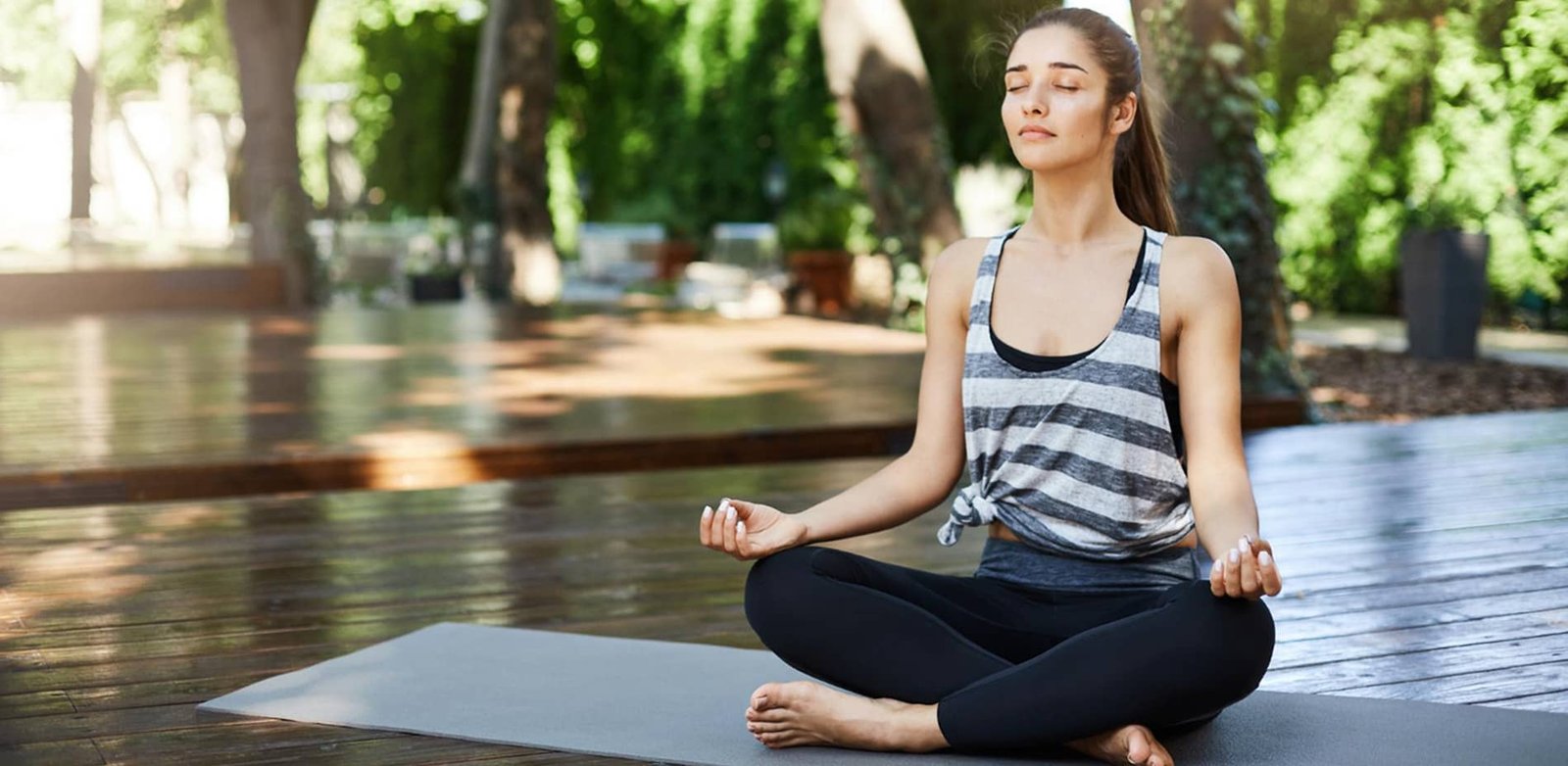
Yoga can be a powerful practice for developing consistency, self-awareness, discipline, and a more positive mindset. Unlike approaches that focus only on physical fitness, yoga connects movement, breathing, concentration, and mindfulness. With regular practice, it can help you create habits that support both physical and mental wellbeing.
Understanding Motivation
Motivation is the internal drive that encourages you to take action toward a goal. It can come from different sources. You may want to improve your fitness, learn a new skill, become more confident, or create a healthier lifestyle.
The challenge is that motivation can change from day to day. Relying only on temporary excitement can make it difficult to maintain long-term habits.
This is where consistency becomes important.
Yoga teaches you to return to your practice regularly, even when you do not feel highly motivated. Over time, this simple habit can help you understand that progress often comes from discipline rather than waiting for the perfect mood.
Yoga Encourages Discipline
A regular yoga practice requires commitment.
You may begin with only 10 or 15 minutes a day, but maintaining that practice teaches you to prioritise your wellbeing. Each time you step onto your yoga mat, you create an opportunity to practise discipline.
This discipline can extend beyond yoga.
For example, maintaining a regular yoga routine may encourage you to become more consistent with exercise, healthy eating, sleep, and other lifestyle habits.
Small actions repeated consistently can eventually create meaningful changes.
Yoga Helps You Become More Aware
One of the fundamental principles of yoga is awareness.
During a yoga session, you pay attention to your breathing, posture, movement, and physical sensations. This encourages you to become more connected with the present moment.
Greater self-awareness can also help you understand what affects your motivation.
You may notice that you feel more energetic after physical activity or that excessive screen time affects your focus. Recognising these patterns can help you make better decisions.
Meditation can further support this process. If you want to develop a regular mindfulness practice, explore Vedaang Yoga School’s Meditation and Yoga Retreat for a deeper experience of yoga and meditation.
Build Confidence Through Progress
Motivation often increases when you recognise your own progress.
Yoga provides many opportunities to notice improvement. A posture that initially feels difficult may become more comfortable after consistent practice. Your balance may improve, your flexibility may increase, or you may become better at controlling your breathing.
These small achievements can build confidence.
Instead of comparing your progress with someone else, yoga encourages you to focus on your own journey. This mindset can be useful not only on the yoga mat but also in professional, personal, and fitness-related goals.
Breathing Can Help You Reset
Breathing is another important part of yoga.
When you consciously slow down and observe your breathing, you create a moment to pause rather than immediately reacting to stress or frustration.
Pranayama, or yogic breathing practices, can become part of a mindful daily routine. Developing awareness of the breath can help you create a transition between a busy state of mind and a more focused state.
For those who want to explore breathwork in greater depth, Vedaang Yoga School also offers a 7 Days Breath and Pranayama Retreat.
Create Motivation Through Small Goals
One of the easiest ways to lose motivation is to set goals that feel overwhelming.
Instead of deciding to practise yoga for one hour every day, begin with 10 minutes. Instead of trying to completely change your lifestyle overnight, introduce one healthy habit at a time.
You could start with goals such as:
- Practise yoga for 10 minutes each morning.
- Spend five minutes on mindful breathing.
- Walk for 20 minutes every day.
- Meditate before going to bed.
- Maintain a consistent sleep schedule.
Once these habits become easier, you can gradually increase them.
Learn to Accept Difficult Days
Motivation does not mean feeling positive every day.
There will be days when you feel tired, distracted, or unmotivated. The goal is not to eliminate these experiences but to learn how to continue moving forward without being overly critical of yourself.
A shorter yoga session is still a practice.
Five minutes of meditation is still valuable.
One healthy decision is still progress.
This approach helps create a sustainable mindset instead of an all-or-nothing attitude.
Yoga, Relaxation and Inner Balance
Sometimes a lack of motivation is connected with mental fatigue. Constant work, responsibilities, notifications, and information overload can leave little time for rest.
Practices such as Yoga Nidra can provide an opportunity to slow down and experience guided relaxation.
If you want to explore this practice, the 7 Days Yoga Nidra Retreat at Vedaang Yoga School can help you learn more about this traditional practice in a structured environment.
Make Motivation a Daily Practice
Motivation should not be treated as something you either have or do not have. It can be supported through habits, discipline, self-awareness, and consistent action.
Yoga provides a practical way to work on all of these areas. Through physical postures, mindful breathing, meditation, and relaxation, yoga encourages you to develop a healthier relationship with your body and mind.
You do not need to make dramatic changes to begin. Start with a few minutes, choose realistic goals, and focus on consistency rather than perfection.
Over time, the practice itself can become a source of motivation.
At Vedaang Yoga School, yoga is approached as a holistic journey that combines physical practice with mindfulness, meditation, pranayama, and personal growth. Whether your goal is better fitness, greater focus, or a more positive mindset, making yoga part of your daily routine can be a meaningful step toward a healthier and more balanced life.