
In today’s busy lifestyle, finding time to relax and reconnect with yourself can be challenging. Meditation and Yoga Nidra are two practices that are often recommended for developing greater awareness and relaxation. Although they are closely related, they are not exactly the same.
Understanding the difference between Yoga Nidra and meditation can help you choose a practice that better suits your needs and lifestyle.
Both practices encourage awareness and can be incorporated into a holistic yoga routine. However, the techniques, body position, level of physical activity, and method of practice can be quite different.
What Is Meditation?
Meditation generally involves intentionally directing your attention toward a particular object or experience.
This could be the breath, a mantra, a sound, bodily sensations, or simply present-moment awareness.
Most meditation practices are performed in a seated position, although some techniques can also be practised while standing, walking, or lying down.
The central element is awareness.
When the mind becomes distracted, the practitioner notices the distraction and gently returns attention to the chosen focus.
Meditation therefore involves actively cultivating attention and awareness.
What Is Yoga Nidra?
Yoga Nidra is often described as yogic sleep, although the practice is more accurately understood as a guided state of deep relaxation and awareness.
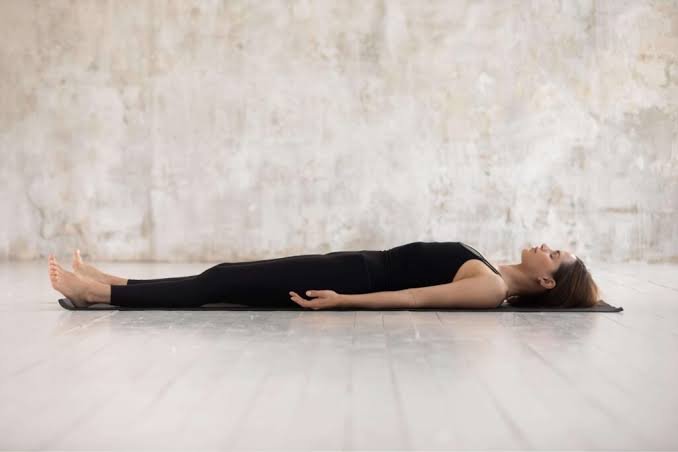
It is generally practised while lying comfortably in Shavasana.
A teacher or guided recording may lead the practitioner through different stages of awareness, which can include body awareness, breath observation, visualisation, and other structured techniques.
Unlike a typical physical yoga session, Yoga Nidra does not require active movement.
This makes it particularly suitable for people who want to explore a deeply restful and contemplative yoga practice.
Meditation vs Yoga Nidra
Although both practices involve awareness, there are some important differences.
Body Position
Meditation is commonly practised while sitting upright.
Yoga Nidra is usually practised lying comfortably on the back.
Level of Physical Activity
Meditation generally involves very little physical movement.
Yoga Nidra also involves minimal movement, but the practice focuses more strongly on guided relaxation and systematic awareness.
Guidance
Meditation can be practised independently once you understand the technique.
Yoga Nidra is often experienced through a structured guided process, particularly for beginners.
Main Experience
Meditation commonly develops focused attention, mindfulness, and self-awareness.
Yoga Nidra places greater emphasis on deep relaxation, guided awareness, and the transition between waking awareness and a deeply relaxed state.
Neither practice is necessarily better than the other. They simply offer different approaches.
Benefits of Adding Meditation to Your Routine
Meditation can be useful when you want to develop greater awareness and concentration.
A regular practice gives you time to step away from constant external stimulation and observe your internal experience.
Over time, meditation may help you become more aware of your thoughts, emotions, breathing patterns, and reactions.
For people with busy schedules, even a short daily meditation session can become a valuable opportunity to pause.
Benefits of Yoga Nidra Practice
Yoga Nidra can be particularly appealing when your primary goal is relaxation.
Because the practice is generally performed lying down and involves guided awareness, it can provide a different experience from an active yoga class.
It can also complement other yoga practices such as asana, pranayama, and meditation.
People who spend much of their day physically or mentally active may appreciate having a dedicated practice that encourages stillness.
Can You Practise Both?
Absolutely.
Meditation and Yoga Nidra do not have to compete with each other.
You can include meditation in your morning routine and Yoga Nidra during an evening relaxation practice.
For example, a simple routine could include:
- 10 minutes of gentle yoga movement
- 5 minutes of mindful breathing
- 10 minutes of meditation
- Yoga Nidra later in the day or before bedtime
Your routine does not need to follow this exact structure. The important thing is choosing practices that are comfortable and sustainable for you.
How to Begin Yoga Nidra
If you are new to Yoga Nidra, begin by finding a quiet and comfortable space.
Lie on your back on a yoga mat or comfortable surface.
Support your body with a cushion or blanket if needed.
Close your eyes and allow your body to become still.
A guided Yoga Nidra session can then take you through different stages of awareness. Follow the instructions without trying to force a particular experience.
The objective is not to perform physical postures. Instead, allow the body to remain comfortable while maintaining awareness of the guidance.
If you are interested in learning this practice in a structured setting, Vedaang Yoga School offers a 7 Days Yoga Nidra Retreat.
Meditation, Pranayama and Yoga Nidra
These practices can also be viewed as complementary parts of a broader yoga lifestyle.
Asana develops awareness through physical movement.
Pranayama works with conscious breathing.
Meditation develops focused awareness.
Yoga Nidra provides a structured approach to deep relaxation and awareness.
For people interested in exploring breathwork alongside meditation, Vedaang Yoga School also offers a 7 Days Breath and Pranayama Retreat.
Combining these practices can create a more complete yoga and wellness experience.
Which Practice Should Beginners Choose?
The answer depends on your personal preference.
If you want to develop concentration and present-moment awareness, meditation may be a good starting point.
If you are primarily looking for a guided relaxation practice, Yoga Nidra may be more suitable.
You can also experiment with both and observe which practice feels more natural for you.
There is no requirement to choose only one.
Make Meditation Part of Your Wellness Journey
Meditation and Yoga Nidra offer different pathways toward awareness and relaxation. Meditation generally involves actively cultivating attention, while Yoga Nidra uses guided awareness to encourage deep relaxation.
Both can become valuable additions to a balanced yoga practice.
Rather than searching for a single “best” technique, consider exploring different practices and discovering what supports your personal journey.
At Vedaang Yoga School, meditation, pranayama, Yoga Nidra, yoga retreats, and other traditional practices come together as part of a holistic approach to yoga and wellness.
Whether you begin with a few minutes of meditation at home or choose to immerse yourself in a dedicated Yoga Nidra Retreat, consistency, patience, and mindful practice are the foundations of a meaningful journey.