

When people think about fitness, they often imagine weightlifting, running, or intense gym workouts. However, physical fitness is much broader than building muscles or burning calories. True fitness includes strength, flexibility, balance, endurance, mobility, and overall body awareness. This is where yoga can become a valuable part of a balanced fitness routine.
Yoga combines physical postures, controlled breathing, mindful movement, and relaxation. Regular practice can help improve the way your body moves and responds to everyday physical demands. Whether you are a beginner, an active fitness enthusiast, or someone looking for a more balanced workout routine, yoga can complement your existing fitness goals.
How Yoga Supports Physical Fitness?
Yoga uses controlled movements and bodyweight resistance to engage different muscle groups. Many yoga postures require you to support your own body weight, which can gradually improve muscular strength and stability.
For example, poses such as Plank, Chair Pose, Warrior Pose, and Boat Pose engage the core, legs, shoulders, and arms. Holding these positions with proper alignment can challenge your muscles while also improving body awareness.
Unlike conventional workouts that may focus on one specific muscle group, yoga often involves several parts of the body working together. This makes yoga a functional form of movement that can support overall physical conditioning.
1. Improves Flexibility and Mobility
Flexibility is an important component of physical fitness. Limited flexibility can make everyday movements more difficult and may affect exercise performance.
Yoga incorporates stretching into many of its postures. Regular practice can help improve mobility around the hips, shoulders, spine, and legs.
Better mobility can make activities such as walking, running, strength training, and recreational sports feel more comfortable. Yoga also encourages practitioners to move with awareness rather than forcing the body into a position.
2. Builds Functional Strength
Yoga does not require heavy weights to challenge your muscles. Your own body weight can provide resistance.
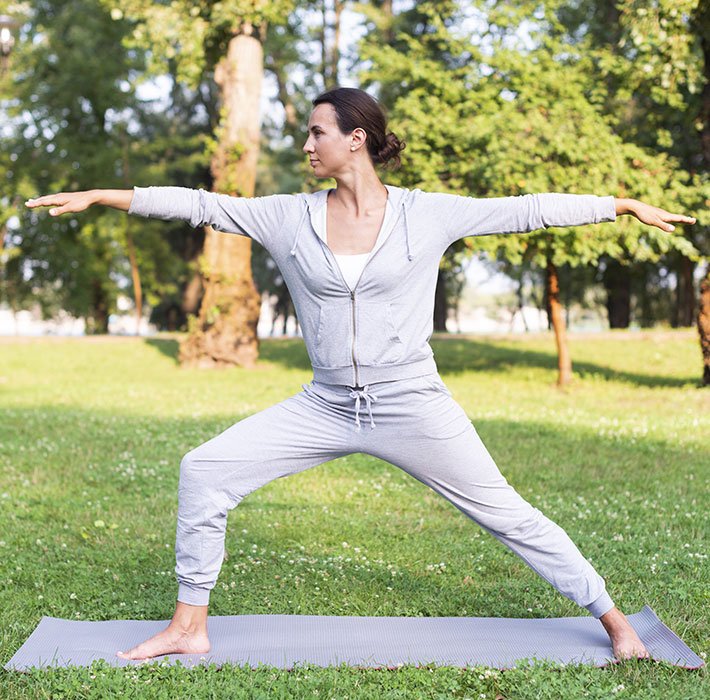
Warrior poses can strengthen the legs, Plank can engage the core and upper body, while Chair Pose can challenge the thighs and glutes. With consistent practice, these movements can contribute to improved muscular endurance and stability.
Functional strength is particularly useful because it supports everyday movements such as bending, lifting, reaching, standing, and maintaining posture.
3. Supports Better Balance
Balance becomes increasingly important as we move through different stages of life. Yoga includes several balancing postures that challenge coordination and concentration.
Tree Pose, Warrior III, and other standing balance postures require the body to maintain stability while different muscles work together.
Practising balance regularly can improve body awareness and coordination. It can also encourage you to pay closer attention to posture and movement.
4. Enhances Breathing and Endurance
Physical fitness is not only about muscles. Efficient breathing is also important during exercise and daily activities.
Yoga often combines movement with conscious breathing. Pranayama practices can help you become more aware of your breathing patterns and develop better control over the breath.
When combined with physical yoga practice, controlled breathing can make movement feel more coordinated and mindful. This can be especially useful for people who want to develop a calmer and more sustainable approach to exercise.
5. Helps Improve Posture
Modern lifestyles often involve long periods of sitting, working on computers, or using mobile devices. These habits can contribute to poor posture and reduced movement throughout the day.
Yoga encourages awareness of spinal alignment, shoulder position, hip placement, and overall body posture.
Practices that strengthen the core and upper back while opening tight areas can support better posture habits. Developing body awareness through yoga may also encourage you to notice how you sit, stand, and move throughout the day.
Yoga and Other Forms of Exercise
Yoga does not necessarily have to replace other workouts. In fact, it can work well alongside strength training, walking, running, cycling, or other physical activities.
For example, someone who regularly goes to the gym may use yoga to improve mobility and recovery. A runner may incorporate yoga to work on flexibility and balance. Someone who prefers low-impact exercise can use yoga as a complete movement practice.
The key is consistency. A short yoga session performed regularly can be more useful than an intense session performed occasionally.
A Simple Yoga Fitness Routine for Beginners
If you are new to yoga, start with a simple routine. You can include:
- Cat-Cow for gentle spinal movement
- Downward-Facing Dog for full-body stretching
- Chair Pose for lower-body strength
- Warrior II for leg strength and stability
- Plank for core engagement
- Tree Pose for balance
- Child’s Pose for relaxation
Practise slowly and focus on correct alignment rather than trying to achieve advanced poses immediately.
Make Yoga Part of Your Fitness Journey
Physical fitness is about creating a body that is strong, mobile, balanced, and capable of supporting your lifestyle. Yoga offers a holistic approach by combining movement, strength, flexibility, balance, and conscious breathing.
Instead of viewing yoga only as a relaxation practice, consider it an important component of your overall fitness routine. With regular practice and proper guidance, yoga can help you build a stronger relationship with your body and develop healthier movement habits.
At Vedaang Yoga School, yoga is approached as a holistic practice that connects physical movement with mindful awareness and wellness. Whether your goal is to improve flexibility, develop strength, or create a more balanced fitness routine, yoga can be a meaningful place to begin.