
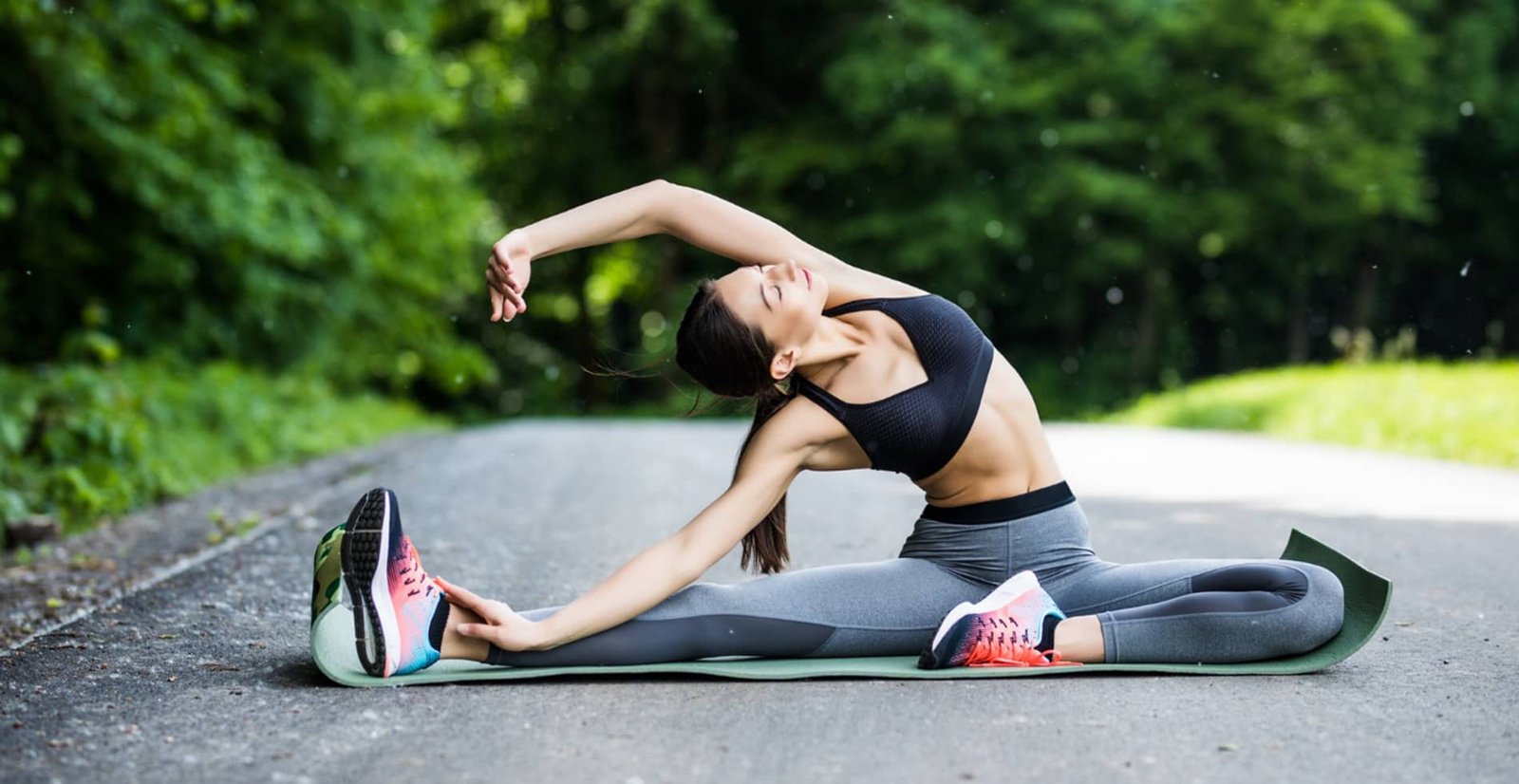
The way you begin your morning can influence how you feel throughout the rest of the day. Instead of immediately reaching for your phone or rushing into work, spending a few minutes moving your body can help you create a more active and mindful start.
A morning yoga routine is a simple way to combine stretching, mobility, strength, breathing, and relaxation. You do not need an expensive gym membership or complicated equipment. A yoga mat and a few minutes of dedicated practice can be enough to get started.
Whether you are a beginner or already practise yoga regularly, these simple poses can help create a balanced morning fitness routine.
Why Practise Yoga in the Morning?
During sleep, your body remains relatively inactive for several hours. You may wake up feeling stiff, especially around the back, shoulders, hips, and legs.
Gentle yoga movements can gradually bring your body back into motion. Morning yoga can also encourage mindful breathing and help you become more aware of how your body feels before beginning your daily activities.
The goal is not to complete an intense workout immediately after waking up. Instead, focus on controlled movement and gradually increase the intensity.
1. Cat-Cow Pose
Begin on your hands and knees. Move slowly between rounding your spine and gently opening your chest.
Cat-Cow is an excellent movement for waking up the spine and encouraging gentle mobility.
Perform several slow repetitions while coordinating your movement with your breathing.
2. Child’s Pose
Child’s Pose provides a gentle stretch and gives you an opportunity to focus on your breathing.
Sit your hips toward your heels and extend your arms forward. Keep the movement comfortable and avoid forcing your body.
Stay here for several breaths before moving into the next posture.
3. Downward-Facing Dog
Downward-Facing Dog is one of the most recognised yoga postures. It engages the arms and shoulders while providing a stretch through the back of the legs.
Focus on maintaining a comfortable position rather than trying to force your heels toward the floor.
Take several steady breaths before transitioning forward.
4. Low Lunge
Step one foot forward between your hands and lower the back knee toward the mat.
Low Lunge can help mobilise the hips and stretch the front of the body. This can be especially useful if you spend many hours sitting during the day.
Repeat on both sides.
5. Warrior II
Warrior II is a standing posture that engages the legs while encouraging stability and concentration.
Stand with your legs apart, bend the front knee, extend your arms, and maintain a steady posture.
Hold the pose for several breaths before changing sides.
6. Chair Pose
Chair Pose is a bodyweight posture that challenges the thighs, hips, and core.
Imagine sitting into an invisible chair while keeping your chest lifted. Avoid going deeper than feels comfortable.
Even a short hold can make the legs work.
7. Plank Pose
Plank is useful for developing core stability. Start with your hands underneath your shoulders and extend your legs behind you.
Keep your body aligned and engage your core.
Beginners can modify the posture by lowering the knees to the mat.
8. Cobra Pose
Cobra Pose can gently open the front of the body while encouraging spinal extension.
Lie on your stomach and place your hands near your shoulders. Slowly lift your chest without forcing the movement.
Keep the shoulders relaxed and focus on comfortable breathing.
9. Tree Pose
Tree Pose introduces balance into your morning practice.
Stand tall and place one foot against the opposite leg at a comfortable height. Bring your hands together or extend them overhead.
If balance is difficult, practise near a wall.
10. Easy Seated Breathing
Finish your routine by sitting comfortably and taking several slow, controlled breaths.
Allow your body to settle. Notice your breathing and how you feel after movement.
This final stage can help you transition from physical activity into the rest of your day with greater awareness.
How Long Should a Morning Yoga Routine Be?
You do not need to spend an hour practising yoga every morning.
Beginners can start with 10 to 15 minutes. As your consistency improves, you can gradually extend your practice to 20, 30, or more minutes.
The most important factor is regularity.
A short daily routine can be easier to maintain than an ambitious routine that becomes difficult to follow.
Tips for a Better Morning Practice
Practise on a comfortable, non-slippery surface and wear clothing that allows free movement. Avoid rushing through postures.
Your body may feel stiff in the morning, so begin gently. Pay attention to your breathing and never force a movement that causes pain.
If you have an existing injury or medical concern, consider speaking with an appropriate healthcare professional before starting a new exercise routine.
Start Your Day with Movement
Morning yoga can be much more than a stretching routine. It can become a daily opportunity to move your body, improve awareness, develop strength, and create a calmer beginning to the day.
With simple poses such as Cat-Cow, Warrior II, Chair Pose, Plank, and Tree Pose, you can create a balanced fitness-oriented yoga practice without complicated equipment.
At Vedaang Yoga School, yoga is presented as a holistic journey that brings together physical practice, mindful breathing, meditation, and wellness. Starting your morning with yoga can be a simple step toward developing a more active and balanced lifestyle.